
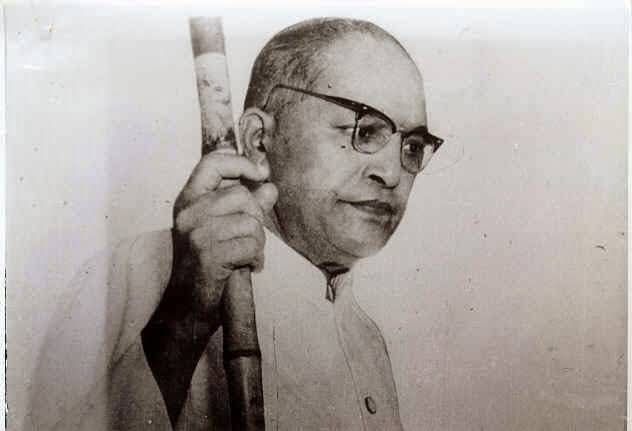
A historic and transformative moment in Indian history was announced by Dr. B.R. Ambedkar in 1956—his conversion to Buddhism, marking a turning point in the fight against caste oppression and social inequality.
Dr. Ambedkar declared:
“The date and place for my conversion to Buddhism has now been finally fixed. It will take place at Nagpur on Dussehra (Ashoka Vijaya Dashmi) day, i.e., 14th October 1956.
The ceremony of conversion will take place between 9 to 11 AM, and in the evening of the same day, I will address the gathering.”
The announcement was further published in Prabuddha Bharat Weekly dated 29th September 1956, which declared:
“Mass Conversion ceremony to be held at Nagpur on the Vijaya Dashmi on Sunday, 14th October, 1956. Venerable Bhikku Chandramani, MahaThera of Burma, now in India, shall perform the ceremony.”
This event was not merely a personal decision—it symbolized a collective assertion of dignity and equality for millions of Dalits in India who were historically oppressed under the caste system. The conversion also marked the formal beginning of the Navayana Buddhist movement, emphasizing social justice, human rights, and rational thought.
Dr. Ambedkar’s decision to embrace Buddhism on this auspicious day of Vijaya Dashmi remains a milestone in Indian history, inspiring generations to seek liberation from social discrimination and injustice.