
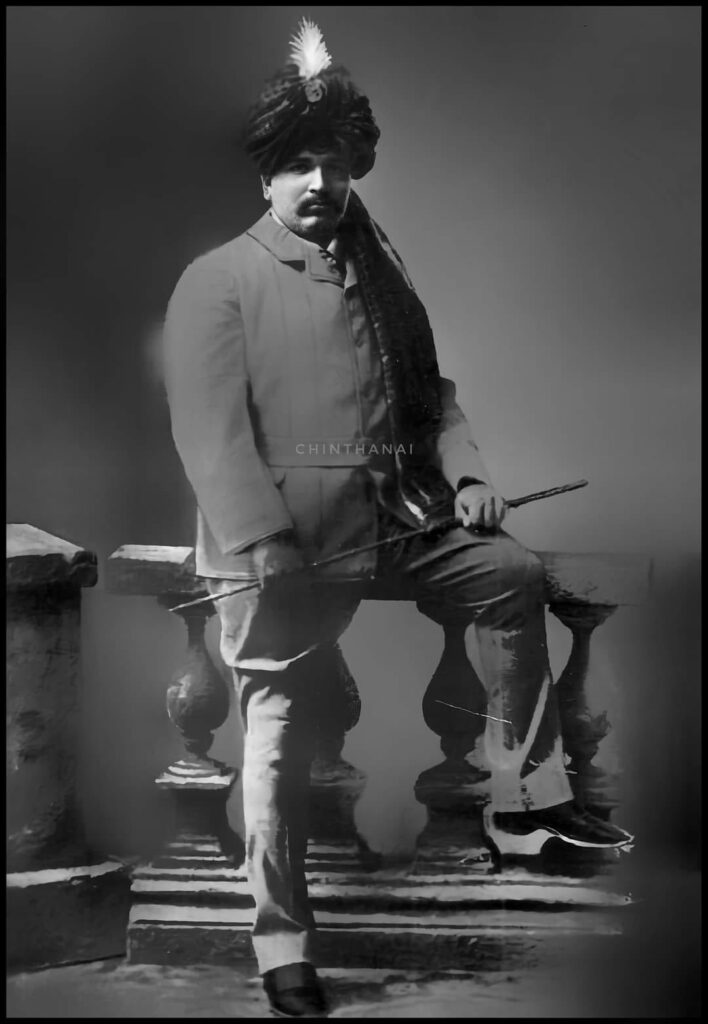
On 26 July 1902, a historic and revolutionary decision changed the course of social justice in India. Chhatrapati Shahu Maharaj of Kolhapur issued an order providing 50% reservation in state services for backward classes.
This bold step made him one of the earliest pioneers of affirmative action in India, long before such policies were adopted at the national level.
⚖️ The Historic Order of 1902
At a time when society was deeply divided by caste hierarchies, Shahuji Maharaj recognized the systemic exclusion of backward communities from education and government jobs.
Key Highlights of the Order:
-
📌 50% reservation in government jobs
-
📌 Focus on backward classes who were socially and educationally deprived
-
📌 Aim to ensure equal opportunities and representation
This decision was not just administrative—it was a social revolution.
🌍 Vision of Social Justice
Chhatrapati Shahu Maharaj strongly believed that:
“Equality cannot be achieved without uplifting the oppressed.”
His policies reflected a deep commitment to:
-
Social equality ✊
-
Education for all 📚
-
Dignity of marginalized communities
The 1902 reservation policy was revolutionary because:
-
It challenged centuries-old caste dominance
-
It provided real opportunities to backward classes
-
It laid the foundation for future policies in independent India
This visionary move later influenced leaders like B. R. Ambedkar, who carried forward the mission of social justice at the national level.
📚 Impact on Society
The implementation of reservation in Kolhapur state led to:
-
Increased participation of backward classes in administration
-
Better access to education and employment
-
Rise of social awareness and self-respect
It proved that inclusive policies can transform society.
🪷 Legacy and Relevance Today
Today, reservation remains an essential tool for achieving social justice and equality in India. The roots of this policy can be traced back to the visionary step taken by Shahuji Maharaj in 1902.
His legacy continues to inspire:
-
Social reform movements
-
Policies for marginalized communities
-
The fight for equality and dignity
✨ Conclusion
The decision of 26 July 1902 by Chhatrapati Shahu Maharaj was not just a policy—it was a historic milestone in the journey towards equality.
👉 He proved that true leadership lies in uplifting the weakest sections of society.