
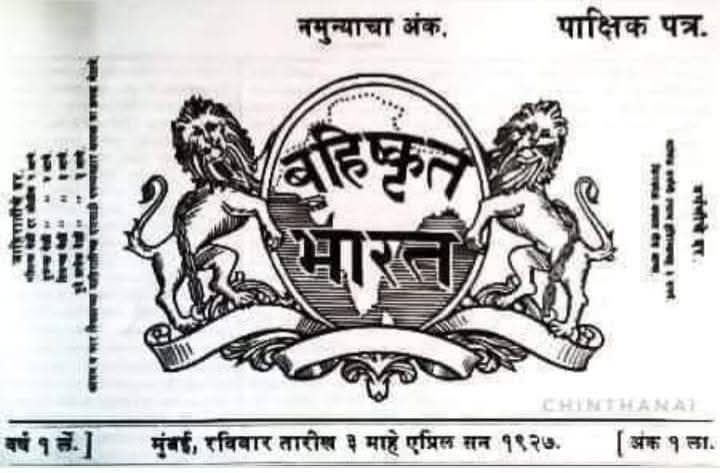
On April 3, 1927, B. R. Ambedkar took a historic step in the fight for social justice by launching the Marathi fortnightly newspaper Bahishkrit Bharat. This publication became a powerful platform for the oppressed and marginalized communities of India, who had long been denied a voice in mainstream society.
The Need for a Revolutionary Platform
During the early 20th century, Indian society was deeply divided by caste discrimination. The voices of the “Bahishkrit” (excluded) sections were largely ignored in public discourse. Recognizing this gap, Dr. Ambedkar understood that social reform required not just activism, but also a strong intellectual and media presence.
Bahishkrit Bharat was born out of this necessity — to educate, awaken, and organize the oppressed masses.
Purpose and Vision
Through this newspaper, Babasaheb aimed to:
- Expose the harsh realities of caste-based discrimination
- Spread awareness about rights and social equality
- Encourage education among marginalized communities
- Build a sense of unity and self-respect
The publication carried sharp editorials, thought-provoking articles, and bold opinions that challenged the deeply rooted caste system.
A Tool for Social Awakening
Bahishkrit Bharat played a crucial role in mobilizing people during key movements led by Dr. Ambedkar, including campaigns for access to public water sources and temples. It became more than just a newspaper — it was a movement in print.
Babasaheb used this platform to directly communicate with the people, guiding them toward self-empowerment and social change.
Legacy and Impact
Although Bahishkrit Bharat was published for a limited period, its impact was immense. It laid the foundation for future Ambedkarite publications and inspired generations to use media as a tool for justice and equality.
Today, it stands as a symbol of resistance, awareness, and intellectual revolution — a reminder that words can spark movements and transform societies.
Conclusion
The launch of Bahishkrit Bharat on April 3, 1927, was not just the beginning of a newspaper, but the beginning of a powerful voice for the voiceless. Dr. Babasaheb Ambedkar’s vision continues to inspire us to speak up against injustice and work toward a more equal society.