
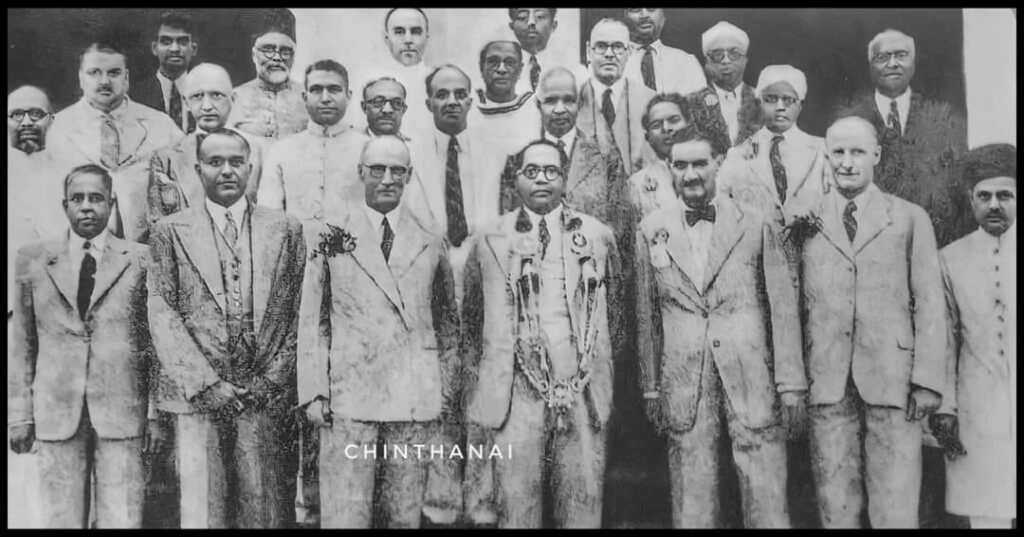
n 29 May 1928, a significant and historic moment unfolded in Bombay when B. R. Ambedkar presented the concerns of the Depressed Classes before the Simon Commission.
Representing the Bahishkrita Hitakarini Sabha, Babasaheb raised critical issues about the state of education among marginalized communities in the Bombay Presidency.
🏛️ The Setting – Damodar Hall, Parel
The meeting took place at Damodar Hall, a venue that became a witness to an important chapter in India’s social and political history.
At a time when most political voices ignored the plight of the oppressed, Babasaheb ensured that their concerns were directly placed before a British constitutional body.
⚖️ What Was the Simon Commission?
The Simon Commission, also known as the Indian Statutory Commission, was appointed by the British Government in 1927 to review constitutional reforms in India.
However:
-
It had no Indian members, which led to widespread protests
-
Many national leaders opposed it
Despite this, Babasaheb chose a pragmatic approach—using the opportunity to present the demands of the Depressed Classes.
Speaking on behalf of the Depressed Classes, Babasaheb highlighted:
📌 Major Issues Raised:
-
Lack of access to education for marginalized communities
-
Poor infrastructure and discrimination in schools
-
Need for government support and special provisions
📌 His Vision:
-
Equal educational opportunities for all
-
State responsibility in uplifting backward sections
-
Education as a tool for social transformation
✊ A Bold and Strategic Move
While many leaders boycotted the Commission, B. R. Ambedkar took a bold step by engaging with it.
👉 His approach showed:
-
Strategic thinking 🧠
-
Commitment to real change over symbolic protest
-
Focus on securing practical benefits for his people
🌟 Historical Significance
This event is important because:
-
It gave national visibility to the issues of the Depressed Classes
-
It emphasized the importance of education in social upliftment
-
It established Babasaheb as a powerful voice for the marginalized
🪷 Conclusion
The events of 29 May 1928 at Damodar Hall, Parel highlight Babasaheb Ambedkar’s unwavering dedication to justice and equality.
👉 By raising the issue of education before the Simon Commission, he ensured that the voices of the oppressed were heard at the highest levels.
This moment remains a powerful reminder that education is the foundation of freedom and dignity.